
lasciate un messaggio
Se siete interessati ai nostri prodotti e desiderate maggiori informazioni, lasciate un messaggio qui; vi risponderemo il prima possibile.




Il miglior acquisto che ho fatto quest'inverno! Il colore e la lavorazione sono squisiti ed è comodissimo! Sono andata da New York a Miami senza mai toglierlo. Davvero carinissimo!!
Nell'odierno settore manifatturiero, sempre più competitivo, le aziende non si concentrano più esclusivamente sul miglioramento dell'efficienza produttiva. Ancor più importante, si impegnano per raggiungere la trasparenza e la tracciabilità lungo l'intero processo produttivo. Dalla gestione delle materie prime e dalle operazioni di produzione fino al magazzinaggio, alla logistica e al controllo qualità, i metodi tradizionali basati sulla registrazione manuale e sulla scansione dei codici a barre si stanno rivelando insufficienti per le moderne esigenze produttive, che richiedono precisione, visibilità in tempo reale e gestione intelligente.
Ciò è particolarmente vero in settori come la produzione di componenti elettronici, componenti automobilistici, abbigliamento, industria alimentare e produzione di macchinari, dove flussi di lavoro complessi coinvolgono grandi volumi di materiali e molteplici fasi di produzione. Se le informazioni non vengono trasmesse tempestivamente o le registrazioni sono imprecise, le aziende possono incorrere in confusione di inventario, ritardi nella produzione e difficoltà nel tracciare i problemi di qualità. In questo contesto, la tecnologia RFID (Radio Frequency Identification) sta diventando un fattore chiave della trasformazione digitale nel settore manifatturiero.
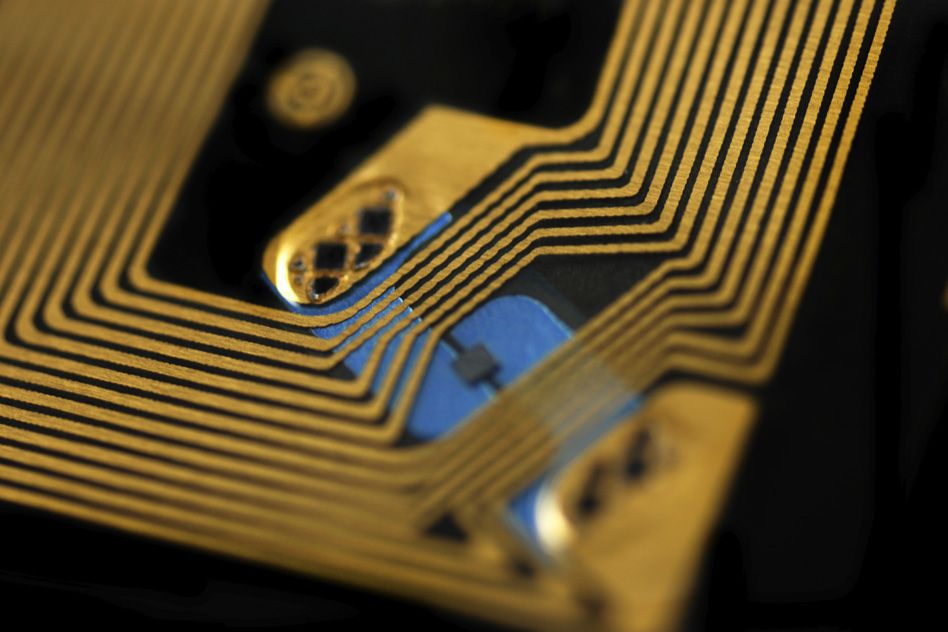
La tecnologia RFID è un sistema di identificazione automatica che utilizza onde radio per trasmettere e riconoscere dati. Rispetto ai tradizionali codici a barre, che richiedono allineamento e scansione manuali, i tag RFID possono essere letti in modalità wireless, in lotti e da distanze maggiori. Inoltre, funzionano in modo affidabile anche in ambienti industriali difficili. Questi vantaggi rendono la tecnologia RFID particolarmente adatta alla gestione dei processi produttivi dall'inizio alla fine.
Nella fase di ricezione delle materie prime, la tecnologia RFID consente una gestione precisa dell'inventario. Nei magazzini tradizionali, i materiali in entrata e in uscita vengono spesso tracciati manualmente o tramite scansione di codici a barre, un processo che richiede tempo ed è soggetto a errori. Con i sistemi RFID, a ogni lotto di materie prime viene assegnato un tag elettronico univoco contenente informazioni quali nome del materiale, fornitore, numero di lotto e data di produzione. Quando le merci entrano in magazzino, i lettori RFID identificano automaticamente i tag e caricano i dati nel sistema, consentendo l'aggiornamento immediato delle registrazioni di inventario.
Questo approccio di gestione automatizzata non solo migliora l'efficienza del magazzino, ma consente anche ai produttori di monitorare i livelli di inventario e i movimenti dei materiali in tempo reale. Ad esempio, molte fabbriche subiscono interruzioni della produzione durante i periodi di punta a causa di dati di inventario imprecisi che portano a carenze di materiali. I sistemi RFID aiutano i responsabili a identificare rapidamente scorte insufficienti o eccedenze, consentendo loro di adeguare in anticipo i programmi di approvvigionamento e produzione e di ridurre i rischi operativi.
Oltre alla gestione del magazzino, la tecnologia RFID dimostra un valore ancora maggiore nell'ambito della produzione.
Nelle officine tradizionali, la circolazione degli ordini di lavoro si basa spesso su documenti cartacei o sull'inserimento manuale dei dati. Con l'aumento dei volumi di lavoro, i processi produttivi si complicano. Quando si verifica un problema in una determinata fase, può essere difficile identificare rapidamente il processo o l'operatore responsabile. La tecnologia RFID rende visibile e tracciabile ogni fase della produzione.
Nelle applicazioni pratiche, i tag RFID vengono applicati a prodotti, pallet o attrezzature. Quando i prodotti si spostano tra le diverse postazioni di lavoro, il sistema legge automaticamente le informazioni del tag e registra dettagli quali il processo in corso, il tempo di lavorazione, lo stato dell'apparecchiatura e le informazioni sull'operatore. Di conseguenza, l'intero processo produttivo viene documentato in tempo reale.
Ad esempio, nella produzione di componenti automobilistici, un singolo pezzo può passare attraverso processi di stampaggio, saldatura, verniciatura, ispezione e assemblaggio. I sistemi RFID possono tracciare automaticamente la fase di produzione corrente del pezzo e rilevare operazioni mancanti, procedure errate o anomalie di processo. Una volta identificato un problema, il sistema può emettere immediatamente degli avvisi, consentendo ai produttori di intervenire rapidamente e mantenere la stabilità della produzione.
Questo modello di produzione trasparente riduce significativamente gli errori umani e migliora la coerenza della produzione.
Al contempo, la tecnologia RFID supporta anche la produzione flessibile.
Oggi la domanda di mercato cambia rapidamente, costringendo i produttori a modificare modelli di prodotto e piani di produzione con una frequenza senza precedenti. Nei sistemi di gestione della produzione tradizionali, la modifica delle linee di produzione richiede un notevole lavoro di verifica manuale, con conseguente inefficienza e rischio di errori. I sistemi RFID, invece, possono regolare automaticamente i parametri delle macchine e i percorsi di produzione in base alle informazioni sul prodotto memorizzate nei tag.
Ad esempio, nell'industria dell'abbigliamento, taglie, colori e modelli diversi richiedono procedure di produzione differenti. I tag RFID possono memorizzare informazioni specifiche per ogni ordine, consentendo alle apparecchiature di produzione di riconoscere automaticamente i prodotti e di modificare le istruzioni di lavorazione. Questa funzionalità permette ai produttori di ottenere una produzione flessibile per ordini di piccole quantità e con un'ampia varietà di articoli, aspetto particolarmente importante per le aziende che realizzano prodotti su misura.
La tecnologia RFID svolge un ruolo fondamentale anche nella gestione della qualità.
Una delle maggiori preoccupazioni per i produttori è l'impossibilità di risalire rapidamente alla causa principale dei problemi di qualità del prodotto. I metodi di registrazione tradizionali spesso contengono informazioni incomplete o mancanti, rendendo difficile l'individuazione delle responsabilità. La tecnologia RFID aiuta a creare una registrazione completa del ciclo di vita di ogni prodotto.
Dall'approvvigionamento delle materie prime e dai processi produttivi ai risultati delle ispezioni e alle informazioni di spedizione, tutti i dati possono essere collegati a tag RFID. In caso di difetto del prodotto, i produttori possono risalire rapidamente al lotto specifico, al momento della produzione, alle condizioni della macchina o all'operatore, consentendo una rapida identificazione e risoluzione del problema.
Ad esempio, nell'industria alimentare, se un determinato lotto di prodotti presenta un problema di sicurezza, i sistemi RFID consentono alle aziende di identificare e ritirare rapidamente solo i prodotti interessati, minimizzando le perdite e tutelando la reputazione del marchio. Questa capacità non solo riduce i rischi aziendali, ma rafforza anche la fiducia dei consumatori.
Inoltre, la tecnologia RFID aiuta i produttori a ottimizzare la gestione delle apparecchiature.
Le fabbriche moderne contengono un gran numero di macchinari e risorse produttive, il che rende la gestione della manutenzione sempre più complessa. Una manutenzione inadeguata delle apparecchiature può ridurre l'efficienza produttiva e creare rischi per la sicurezza. Applicando tag RFID alle apparecchiature, i produttori possono registrare informazioni quali modelli, ore di funzionamento, cronologia della manutenzione e sostituzioni di pezzi di ricambio.
Quando si avvicinano i periodi di manutenzione programmata, il sistema invia automaticamente degli avvisi al personale addetto alla manutenzione. I tecnici possono inoltre accedere istantaneamente ai registri delle apparecchiature tramite sistemi RFID, migliorando l'efficienza della manutenzione. Questo modello di manutenzione predittiva contribuisce a ridurre i tempi di fermo imprevisti delle apparecchiature e a migliorare l'affidabilità operativa complessiva.
Con l'avvento dell'Internet industriale e della produzione intelligente, la tecnologia RFID viene sempre più integrata con i sistemi MES, le piattaforme ERP e le tecnologie IoT.
In passato, i reparti di produzione, magazzino, approvvigionamento e logistica operavano spesso in modo isolato, creando silos informativi all'interno dell'azienda. La tecnologia RFID funge da gateway per la raccolta dati in tempo reale, trasmettendo automaticamente i dati operativi ai sistemi di gestione aziendale e consentendo una collaborazione digitale completa dell'intero processo.
I manager possono monitorare l'avanzamento della produzione in tempo reale, utilizzando l'analisi dei dati per ottimizzare i programmi di produzione, ridurre i costi di magazzino e migliorare le prestazioni di consegna. Questo approccio gestionale basato sui dati sta diventando un importante vantaggio competitivo per le aziende manifatturiere moderne.
Naturalmente, l'implementazione della tecnologia RFID nel settore manifatturiero presenta anche delle sfide.
Ad esempio, ambienti ricchi di metalli o condizioni di alta temperatura possono influire sulla leggibilità dei tag. L'implementazione su larga scala della tecnologia RFID richiede inoltre investimenti in infrastrutture e integrazione di sistema. Inoltre, i diversi settori industriali hanno esigenze diverse in termini di tipologie di tag, distanze di lettura e compatibilità di sistema. Pertanto, i produttori devono pianificare attentamente i progetti RFID in base alle proprie specifiche esigenze operative.
Tuttavia, a lungo termine, i vantaggi dell'RFID superano di gran lunga i costi. L'RFID non solo migliora l'efficienza produttiva, ma aiuta anche le aziende a creare sistemi di produzione trasparenti, tracciabili e visualizzabili.
In futuro, con il continuo calo dei costi dei chip RFID e l'evoluzione di tecnologie come il 5G, l'intelligenza artificiale e l'Internet industriale, la tecnologia RFID assumerà un ruolo ancora più importante nella produzione intelligente. Materie prime, attrezzature, prodotti e persino il personale di fabbrica entreranno a far parte di una rete connessa in tempo reale.
A quel punto, i produttori raggiungeranno veramente la gestione digitale end-to-endGestione completa, dalle materie prime ai prodotti finiti, per processi produttivi più intelligenti, efficienti e totalmente trasparenti.

Informazioni dettagliate e PDF

Contatto e-mail per l'assistenza.

Consulenza tecnica professionale.

Contatto e-mail per l'assistenza.


Bomba

COLLEGAMENTO

Comunicato

lasciate un messaggio
Scansiona e invia a WeChat/WhatsApp :



 IPv6 SUPPORTO DI RETE